Staying safe while working out at home is super important. You don’t want to risk injury when you’re just trying to stay fit! Here are some tips to keep you on the right track.
First off, always warm up before diving into your workout. A quick 5-10 minute warm-up can make all the difference. Simple stretches or a light jog in place can prepare your muscles and get your heart rate up. Trust me, your body will thank you later!
Next, make sure you have enough space to move around. Clear any clutter or furniture out of the way so you don’t trip over something mid-squat. You want to feel relaxed and focused, not dodging your coffee table while doing lunges!
Don’t forget to use the right equipment! If you have dumbbells, resistance bands, or a mat, make sure they are in good shape. Using damaged gear can lead to slips and strains. And remember, it’s okay to start with lighter weights and gradually increase. Quality over quantity!
Finally, listen to your body. If something feels off or painful, don’t push it. It’s better to take a break or modify an exercise than risk an injury that could set you back. Stay tuned in to what your body needs, and you’ll get a lot more out of your home workouts!
Create a Safe Space
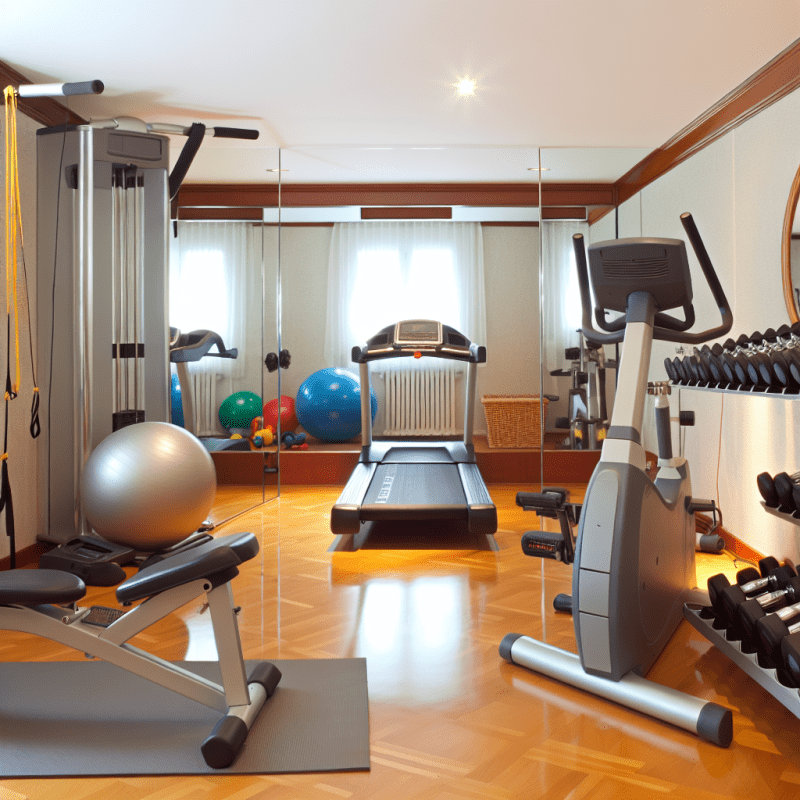
Creating a safe space for your home workouts is super important. You want an area where you can feel comfortable and focus. Start by picking a spot in your home that’s free from clutter. This means clearing away any furniture, toys, or other items that could trip you up while you’re moving around.
Good lighting is another key factor. Make sure your workout area is well-lit so you can see what you’re doing. You don’t need fancy studio lights—just open up the curtains or turn on a lamp to keep things bright. If you're doing exercises that require balance, having a clear view of your surroundings helps a lot.
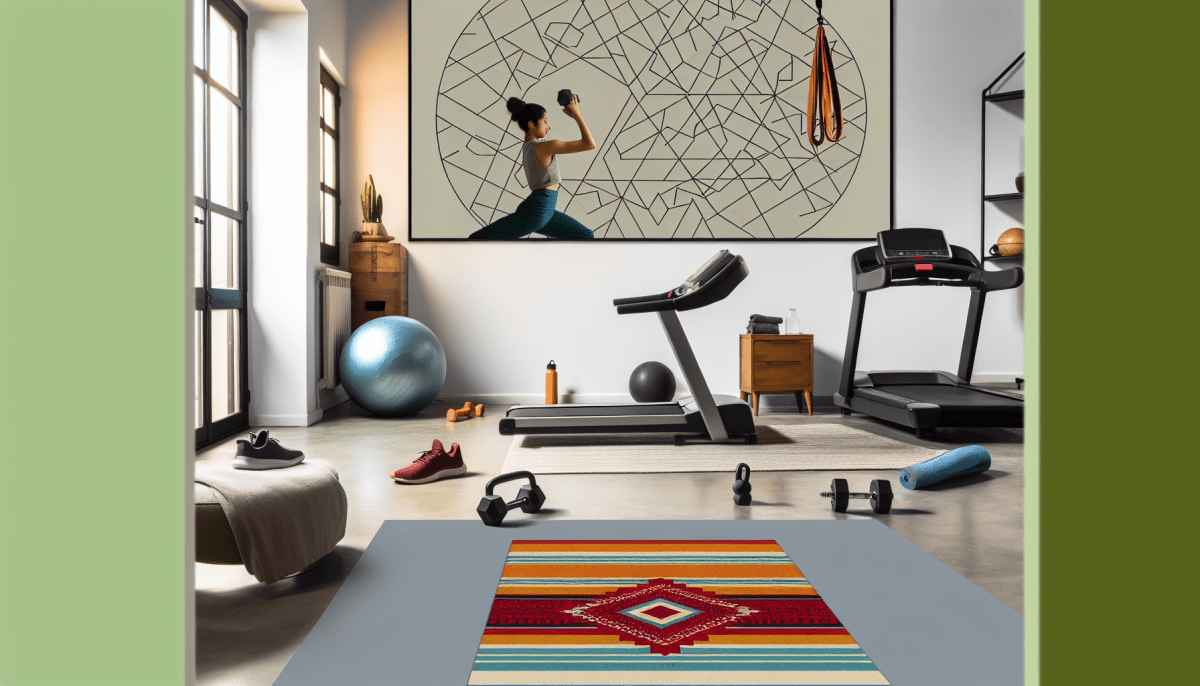
Next, consider your flooring. If you’re doing high-impact workouts, having a soft, stable surface can make a big difference. A yoga mat or workout mat can provide cushioning, preventing slips and falls. Plus, they give you a designated space that can help you stay focused and in the zone.
Finally, think about your gear. Store your weights, bands, and any other fitness tools in an easy-to-reach place. This keeps your space tidy and ensures you have everything on hand when you need it. Safety starts with preparation, and the more organized you are, the simpler your workouts will be.
Warm Up and Stretch
Start with some light cardio to get your heart pumping. This could be something as simple as jogging in place or jumping jacks for about 5 to 10 minutes. You don’t need fancy equipment for this—just your body and a bit of space!
Once you're warmed up, it's time to stretch those muscles. Focus on the major groups you'll be using, like your arms, legs, and back. Here are a few quick stretches to try:
Don’t rush through these stretches. Hold each one for about 15 to 30 seconds, breathing deeply. You’ll feel refreshed and ready to tackle your workout! Remember, a little bit of warm-up and stretching goes a long way in keeping your workouts safe and effective.
Listen to Your Body
When you're working out at home, listening to your body is super important. It's easy to get caught up in pushing yourself to hit that next personal best, but your body knows best what it can handle. If you're feeling pain, not just the typical burn from a good workout, don’t ignore it. Pain is your body's way of saying, "Hey, something's not right!"
Pay attention to how you feel during and after your workouts. Are you unusually tired? Does a certain movement cause discomfort? These are signs that you might need to take it easy or modify your routine. It’s cool to have goals, but safety comes first. Adjust your exercises if you feel strained or try lighter weights.
Always take breaks and hydrate. Overexerting yourself can lead to injuries that will keep you off your game for much longer than a little rest. Trust your instincts. If you're not feeling up to a tough workout one day, go for a gentle yoga session or a leisurely walk instead. Those days can be just as beneficial.
Remember, fitness is a journey, not a race. Your body's signals are there to guide you. Stay connected with how you're feeling, and you'll keep yourself safe while enjoying your home workouts. Listen to your body, and it will thank you in the long run!